Medetomidine

Medetomidine (pronounced med-deh-TOH-mih-deen)

Medetomidine, sometimes called Rhino Tranq, Tranq-dope (combination of medetomidine with fentanyl or other high potency opioids), or Dexmedetomidine (medetomidine’s dextrorotatory enantiomer, but we’ll get to that later), has become drug of concern over the past couple years.

Presence In Toronto Drug Supply

Since Medetomidine was first detected by the Toronto Drug Checking Service on December 29, 2023 (1), its presence in Toronto’s fentanyl supply has grown rapidly. By January 23, 2024, it was already in 11% of expected fentanyl samples, all of which were combined with at least one high potency opioid (1).

Between February 2024 and July 2024, Medetomidine prevalence in Toronto doubled to 24% of expected fentanyl samples. Between August 2024 and January 2025, Medetomidine rose again to 33%. Between Feb 2025 and July 2025, Medetomidine was found in 37% of samples (worth noting that during this time Xylazine was at its peak, being found in nearly 46% of all fentanyl samples). And between August 2025 and December 2025, Medetomidine presence spiked to 79% of all expected fentanyl samples! (2)

Health Effects

Medetomidine exhibits biphasic effects on blood pressure. It can briefly though sometimes dramatically increase risk of hypertension (high blood pressure) upon taking large doses, though shortly after blood pressure drops, and users are at a greater risk of hypotension (low blood pressure) (3). Medetomidine can also cause nausea, bradycardia (heartbeat slower than 60/bpm), and hypoxia (lack of oxygen). All of these health risks dramatically increase when combined with other sedatives such as opioids or benzodiazepines.

Medetomidine withdrawal may result in extremely high blood pressure, tachycardia (heart rate faster than 100/bpm), nausea/vomiting, anxiety/agitation, and tremors (4). Medetomidine withdrawal can pose many health concerns, and people going through withdrawal sometimes require intensive hospital care and various medications to manage withdrawal symptoms (4).

Chemistry/Pharmacology

Medetomidine is a racemic mixture of its two enantiomers: Levomedetomidine and Dexmedetomidine. Levomedetomidine is believed to be largely inactive, though it may function as an a2-AR antagonist when taken in extremely high doses (several hundred times dexmedetomidine’s active dose) (5). Dexmedetomidine is responsible for medatomidine’s effects, and as a result is twice as potent by weight compared to medetomidine in its racemic form (6).
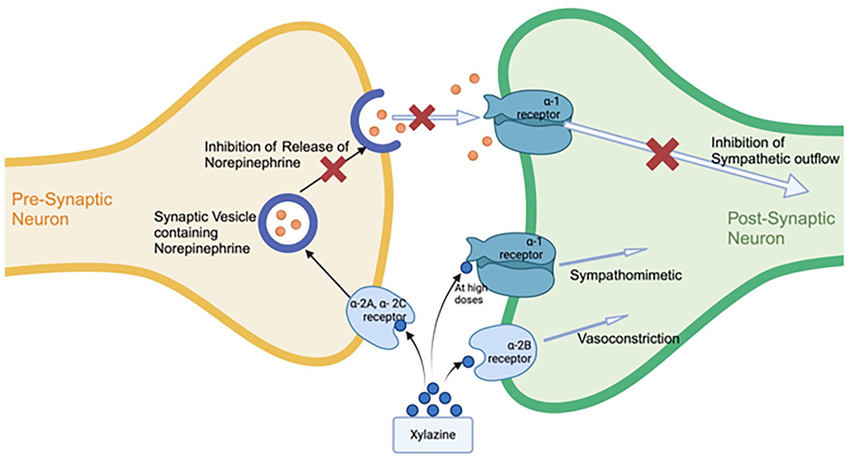
Graphic showing the xylazine method of action
Figure 1, Xylazine mechanism of action (9)

Dexmedetomidine is a highly selective alpha-2 adrenergic receptor (a2-AR) agonist. It causes sedation and analgesia (reduced experience of pain) by binding to a2-AR (specifically the a2A adrenoreceptor subtype, which is most responsible for the presynaptic inhibition of norepinephrine release) (7). This becomes particularly relevant when comparing it to the other most common a2-adrenoceptor agonist combined with opioids, xylazine. Xylazine is less selective, and its activity at the a2B-adrenoreceptor (which induces vasoconstriction), is partially responsible for the skin lesions and soft tissue damage associated with its usage (8). Medetomidine does not seem to induce similar tissue damage (4). It is worth noting that while it is often found in slightly lower doses in fentanyl samples than xylazine is, the reduction in quantity is nowhere near enough to offset the dramatic difference in potency (medetomidine being somewhere between 100-200 times more potent). It can greatly amplify the respiratory depression induced by other sedatives when used together. While it is most often found mixed in with opioids, it is not an opioid itself, and does not respond to naloxone administration (though given how commonly it is found with opioids, if a medetomidine overdose is suspected naloxone should still be administered!)

History/Medical Usage

The earliest mention of medetomidine is found in a patent filed in 1981 (and published in 1983) by Finnish pharmaceutical company Farmos Group Ltd (10). The earliest optical resolution of medetomidine (preparation of dexmedetomidine) is mentioned in a patent filed by the same company in 1987 (published in 1990) (11). Dexmedetomidine received FDA approval in 1999 as a short term (defined as less than 24 hours) sedative and analgesic for people on mechanical ventilation in intensive care under the brand name Precedex (12).

It is sometimes preferred to other sedatives as it may blunt the effects of emergence delirium and is often used as an adjunct in general anesthesia (13). Dexmedetomidine also received FDA approval to treat “agitation” associated with bipolar disorder and schizophrenia under the brand name Igalmi in 2022 (14), and is used off label to manage withdrawal symptoms from a variety of downers, most notably opioids (15). Atipamezole was developed as a reversal agent for medetomidine, though is not approved for human usage (16). Medetomidine is largely used in veterinary contexts as a sedative and analgesic. It is also sold in freebase form as an antifouling substance for marine paints (17).

Dexmedetomidine was approved in the EU for cat and dog usage in 2002 as a sedative and in general anesthesia induction under the brand name Dexdomitor (18). FDA approved Dexdomitor for use in dogs in 2006 (19) and cats in 2007 (20).

The first record of non-medical human usage of medetomidine was 12 samples, 2 from Virginia and 10 from Ohio, documented by the National Forensic Laboratory Information System (NFLIS) in 2021 (21).

Overall, medetomidine/dexmedetomidine continues to become more prominent in Toronto’s drug supply, particularly drugs sold as fentanyl. It notably increases the risk of overdose when combined with other sedatives and complicates overdose recovery/treatment as its primary effects are not reversed through naloxone administration (THOUGH NALOXONE SHOULD ALWAYS BE ADMINISTERED IN CASES OF SUSPECTED MEDETOMIDINE OVERDOSE).

Stay safe everyone 🙂

Citations:

1. Medetomidine – Toronto Drug Checking
2. https://public.tableau.com/app/profile/karen.mcdonald5803/viz/Newproposedwebsitevizs/DB-Otherdrugfound
3. https://journals.lww.com/anesthesiology/fulltext/2000/08000/the_effects_of_increasing_plasma_concentrations_of.11.aspx
4. https://hip.phila.gov/document/5444/PDPH-HAN-SUPHR-Medetomidine-06.10.2025_1Zu1OZ4.pdf/#:~:text=Medetomidine%20can%20produce%20a%20severe,and%20intractable%20nausea%20and%20vomiting.
5. https://pubmed.ncbi.nlm.nih.gov/1682487/#:~:text=The%20biological%20activity%20of%20MED,relationships%20at%20alpha%2D2%20adrenoceptors.
6. https://pmc.ncbi.nlm.nih.gov/articles/PMC7401557/#:~:text=Simple%20Summary,rapidly%20when%20atipamezole%20was%20administered.
7. PMC1291306
8. NBK594271
9. https://www.researchgate.net/figure/Mechanism-of-action-of-xylazine-Xylazine-acts-primarily-as-an-alpha-2-adrenergic_fig2_392840381
10. EP0072615A1
11. https://pubchem.ncbi.nlm.nih.gov/patent/US-4910214-A
12. 21-038_Precedex.cfm
13. PMC4389556
14. https://psychiatryonline.org/doi/full/10.1176/appi.pn.2022.05.5.10#:~:text=Encouraging%20News%20for%20People%20Experiencing,Igalmi%20is%20manufactured%20by%20BioXcel.
15. https://pmc.ncbi.nlm.nih.gov/articles/PMC3276827/#:~:text=Dexmedetomidine%20infusion%20was%20successfully%20used,from%20opioid%20and%20other%20sedatives.
16. ANTISEDAN
17. https://www.pcimag.com/ext/resources/WhitePapers/2016/The-Selektope-Story-v2.pdf
18. https://ec.europa.eu/health/documents/community-register/2002/200208305572/dec_5572_en.pdf
19. https://www.federalregister.gov/documents/2007/01/04/E6-22508/implantation-or-injectable-dosage-form-new-animal-drugs-dexmedetomidine#
20. https://www.federalregister.gov/documents/2007/09/07/E7-17696/implantation-or-injectable-dosage-form-new-animal-drugs-dexmedetomidine#
21. https://pmc.ncbi.nlm.nih.gov/articles/PMC11537807/

 

Overdose and Grief

It goes without saying that the past few years have been hard on us all. COVID-19 has had a huge impact on society, and a lot of things have changed. On top of the pandemic, we’re facing an epidemic with the opioid crisis. In Canada, there has been a significant increase in opioid-related deaths since 2016. The overdose crisis continues to affect people who use drugs, their friends and families, and communities across Canada. Between January 2016 and September 2022, there were more than 34,400 apparent opioid toxicity deaths, many of which also involved stimulants or other substances. The crisis is continuously growing, and is largely affecting the youth population with young Canadians aged 15 to 24 being the fastest-growing population requiring hospital care from opioid overdoses.

Image by photoangel on Freepik

At the rate with which we are losing people to overdose, and stigma around drug use in society, deaths by overdose are often overlooked. The lives of the people who die from overdose are often cast aside, and sometimes judged. Having conversations about drug use, overdoses, and what may follow when someone overdoses helps us not only destigmatize these topics but also helps provide support. While we don’t want to normalize preventable deaths from overdose, until there is safe supply these deaths will continue and we need to be able to discuss it openly. Overdose and grief are topics that may be hard to talk about, but it’s important that we share our experiences and communicate these things to not feel alone and move through our grief in a healthy way. Continue reading

GHB, GBL & Chem Sex

What is GHB & GBL?

GHB: Gamma Hydroxybutyrate & GBL is Gamma Butyrolactone. Both are central nervous system depressants, meaning they slow your heartrate and breathing. (See our other article for more details about GHB also!)

  • GHB is occasionally prescribed for patients struggling with narcolepsy; under the brand name of Xyrem.
  • GBL is a precursor to GHB, meaning when GBL is consumed it is turned into GHB in the body, effectively making the substances very similar when consumed. GBL is a chemical solvent used in industries to produce other chemicals.
  • GHB is commonly bought and sold in vials and bottles, and is made by mixing GBL with sodium hydroxide, or potassium hydroxide.
  • GHB is consumed orally, often times mixed in a soft drink.
  • Both GHB and GBL are clear, oily liquids.
    • GHB tastes slightly salty and bitter, and is typically odorless or has a mild salty odor, while GBL has a very strong chemical scent & taste.

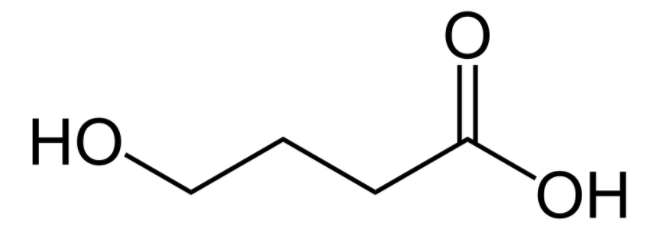
GHB chemical structure

Effects may include:

  • Euphoria, nausea, blacking out or ‘G-ing out’, increased sex drive, dizziness, disinhibition, altered mood, clumsiness, altered perception of time, sleepiness, sweating, memory loss, auditory and visual hallucinations and confusion. GHB takes about 20-60 minutes to kick in, and lasts up to 2.5 hours, with after effects lasting up to 4 hours.

Continue reading

Safer Injection


Breaking down various methods of reducing drug injection related risks & harms


There are plenty of reasons you might choose to inject, and injecting drugs can lead to some unique risks and harm. It allows for significantly faster, and more potent onset of drug effects (if you are mainlining) as opposed to insufflation (snorting), plugging (consuming drugs through your anal/vaginal cavity), or swallowing drugs. You can inject a number of different drugs including opioids (drugs like heroin, morphine and fentanyl), stimulants (like speed, crack, crack cocaine) and various pills. We’ll break down the basics to help keep you and your peers safer if you choose to inject your drugs through a vein; intravenously (AKA IV/mainlining) into your muscle; intramuscularly (AKA IM) or subcutaneously injecting under the skin (skin popping).
Continue reading

Harm Reduction New Years Resolutions

The first days of the new year are often not kind to us party people. After going hard for hours on end to celebrate, reflecting on your use while nursing your hangover makes a lot of sense! Hopefully you were able to sneak some harm reduction strategies into your holiday partying by drinking water, not sharing straws or other drug use supplies and finding safe rides homes in the wee hours of 2019. It might be tempting to make a long list of all your resolutions for the new year but not so fast! That same philosophy that nudged you to party safer can also help you set realistic goals for your substance use.

A drug user’s guide to harm reduction new years resolutions

Continue reading

Drug Checking & Testing Kits

Toronto Drug Checking Project

Toronto has a highly sophisticated drug checking project!

What is Toronto’s drug checking service?

People who use drugs in Toronto have long advocated for access to drug checking in an effort to reduce the harms associated with using drugs from the unregulated supply.

Launched in October 2019, Toronto’s drug checking service offers people who use drugs timely and detailed information on the contents of their drugs, helping them to make more informed decisions.

This drug checking service also helps to uncover the makeup of Toronto’s unregulated drug supply, which includes illegal drugs, as well as legal drugs diverted from regulated markets for sale through criminal channels. Information on Toronto’s unregulated drug supply is made publicly available.

How do I get my drugs checked?

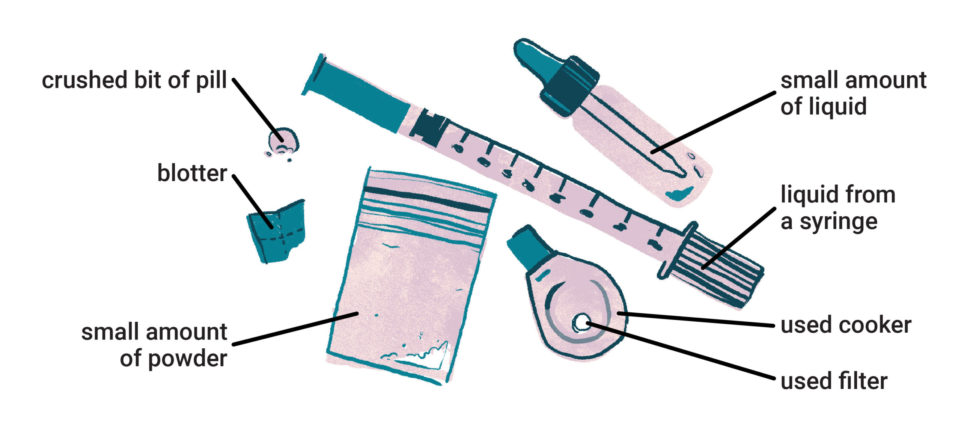
Toronto’s drug checking service is free, anonymous, and available to everyone. Accepted samples include a substance (approximately 10mg of a powder or pill, blotter, or a small amount of liquid) and paraphernalia after it’s been used (a used cooker or filter, or leftover liquid from a syringe).

Samples are collected at five harm reduction agencies in Toronto where supervised consumption services are also offered:

Parkdale Queen West Community Health Centre (Queen West site) – Bathurst and Queen (Trip! HQ)
South Riverdale Community Health Centre – Carlaw and Queen
The Works at Toronto Public Health – Yonge and Dundas
Moss Park Consumption and Treatment Service – Sherbourne and Queen
Parkdale Queen West Community Health Centre (Parkdale site) – Dufferin and Queen

Results are available within a business day or two and are communicated to clients by harm reduction staff in person or by phone. Along with these results, clients receive tailored harm reduction supports, guidance, and referral to services (e.g., supervised consumption, naloxone training, primary health care).

How does Toronto’s drug checking service work?

Samples are transported from the harm reduction agencies where they are collected to a nearby laboratory at the Centre for Addiction and Mental Health or St. Michael’s Hospital to be analyzed.

Toronto’s drug checking service uses mass spectrometry technologies (gas- and liquid-chromatography). These sophisticated lab-based technologies offer detailed information about which drugs are found in each sample, along with some information about how much of each drug is present.

Toronto’s drug checking service is one of a few pilot projects that received funding from Health Canada to prevent overdose. This service operates by way of exemptions from the Government of Canada’s Controlled Drugs and Substances Act.

This drug checking service is being scientifically evaluated to understand its impacts on the health and well-being of people who use drugs in Toronto.

Who funds Toronto’s drug checking service?

Toronto’s drug checking service receives financial support from the Government of Canada’s Substance Use and Addictions Program and the St. Michael’s Hospital Foundation.

Which partners and collaborators are involved in Toronto’s drug checking service?

Toronto’s drug checking service relies on a community advisory board of ten people who use drugs in Toronto who meet monthly to consult on its design and execution.

This drug checking service partners and collaborates with a range of community members and organizations, clinicians, researchers, policymakers, and others, including:

British Columbia Centre of Substance Use
Centre for Addiction and Mental Health
Health Canada’s Drug Analysis Service
Moss Park Consumption and Treatment Service
Office of the Chief Coroner for Ontario
Ontario Harm Reduction Network
Ontario Poison Centre
Parkdale Queen West Community Health Centre
Public Health Ontario
Sandy Hill Community Health Centre
South Riverdale Community Health Centre
Michael’s Hospital
Street Health
The Works at Toronto Public Health
Toronto Harm Reduction Alliance
Toronto Paramedic Services
Toronto Public Health
Trip! Project

We acknowledge the members of our community advisory board, our partner organizations, and the people of Toronto that have lost their lives because of overdose.

More info here!

Testing Kits – Drug Checking

Testing kits can help you identify what a substance is so you can decide how or if you want to take it. When getting drugs from someone or the internet you can’t be 100% sure what it really is, even if it’s from a friend. You can use a testing kit to get more info! Continue reading